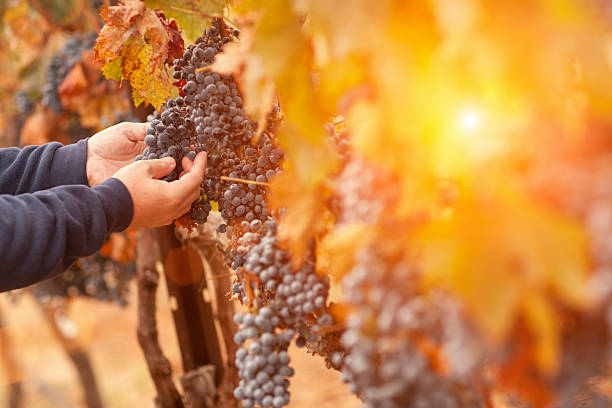
Khairpur’s date orchards face intense summer heat, yet farmers continue protecting valuable crops through careful irrigation, shade, soil management, canopy care, and practical knowledge passed across generations today.
Khairpur’s date farmers work under punishing summer temperatures, protecting valuable orchards through practical methods that conserve moisture, reduce heat stress, and keep developing fruit healthy until harvest season during summer.
Known for its date production, Khairpur faces increasingly intense heat that can affect trees, soil, fruit quality, and farm operations, especially during the hottest summer weeks each year during summer.
Farmers therefore combine traditional knowledge with simple agricultural techniques, adjusting irrigation, shading, pruning, and orchard maintenance according to the changing needs of their crops throughout the summer season during summer.
These approaches are rarely based on one solution alone. Instead, growers use several small measures together to help date palms survive extreme conditions and maintain productivity during harsh weather locally.
Shade can reduce direct exposure for developing fruit, particularly when temperatures rise sharply. Farmers may use available materials or palm structures to limit damaging sunlight around vulnerable bunches during summer.
Protecting fruit from excessive heat can help reduce shrivelling, discolouration, and quality problems. The aim is not complete darkness, but enough cover to soften intense afternoon sunlight during extreme heat.
Some growers carefully position leaves around fruit clusters, using the palm’s natural canopy as protection. This traditional practice can be especially useful when extreme heat arrives during fruit development locally.
Shade management also requires attention to airflow. Farmers need protection without creating overly humid or crowded conditions, because good ventilation helps keep bunches and surrounding plant surfaces healthier during summer.
Healthy soil plays an important role during extreme heat because well-managed ground can hold moisture longer. Farmers commonly keep the area around palms protected from unnecessary moisture loss during summer.
Organic matter, including suitable farm residues, can improve soil structure and support moisture retention. A better soil environment gives roots more consistent access to water during demanding weather during summer.
Mulching can also reduce evaporation from the soil surface. By covering exposed ground, farmers may keep moisture available for longer periods while reducing the effect of hot winds during summer.
Regular observation remains important because every orchard has different soil conditions. Farmers can adjust watering and ground management after checking moisture levels, tree appearance, and local weather patterns during summer.
Date palms need careful canopy management during hot weather. Farmers remove unsuitable or damaged leaves while retaining healthy foliage that can support the tree and provide useful natural shade locally.
Excessive pruning can expose trunks and fruit to stronger sunlight, so growers generally avoid removing healthy leaves without a clear reason. Balanced management helps maintain protection throughout summer during summer.
Dead leaves and unwanted growth may also be cleared to improve orchard cleanliness and access. This makes routine inspection easier, allowing farmers to notice stressed trees or damaged fruit locally.
Good canopy management is therefore about balance rather than aggressive cutting. Farmers aim to keep productive foliage, improve orchard conditions, and reduce unnecessary stress on date palms during extreme heat.
Fruit bunches can be particularly vulnerable when hot conditions continue for many days. Farmers monitor their development and use practical protection methods when temperatures threaten fruit appearance or quality locally.
Supporting and arranging bunches properly can reduce physical strain on developing dates. Farmers may also use protective coverings where appropriate, particularly for fruit exposed directly to intense sunlight during summer.
Timing matters because heat protection is most useful when applied before severe damage occurs. Regular orchard visits help growers identify bunches showing signs of stress and respond quickly during summer.
These practices also protect the farmer’s investment. Dates require months of care before harvest, so preventing avoidable heat damage can make a meaningful difference to marketable production during extreme heat.
Water management becomes especially important during very hot periods. Farmers monitor trees and soil rather than relying only on fixed schedules, helping them respond to changing moisture requirements during summer.
Overwatering can create problems, while insufficient water can leave palms under stress. Experienced growers therefore try to maintain a practical balance based on soil conditions and prevailing temperatures during summer.
Irrigation timing can also influence efficiency. Watering when evaporation is lower may help more moisture reach the root zone instead of being quickly lost from the surface during extreme heat.
Farmers with access to improved irrigation systems can manage water more precisely, while others rely on established local practices. In both cases, careful observation remains essential during the hottest months.
Khairpur’s farmers have accumulated practical knowledge through generations of date cultivation. This experience helps them recognise changes in fruit, leaves, soil moisture, and tree behaviour during severe heat during summer.
Local knowledge can guide decisions about irrigation, shade, orchard cleaning, and harvest preparation. Farmers often understand how particular varieties respond to weather changes based on years of observation during summer.
This knowledge is valuable because conditions can vary between orchards. Soil type, palm age, water availability, and exposure to wind may all influence how a tree handles extreme temperatures locally.
Modern information can complement traditional experience. Weather forecasts, irrigation improvements, and better crop management can help farmers make earlier decisions while preserving techniques that have proved useful locally during summer.
Extreme heat is becoming a major consideration for farmers planning future seasons. Preparing early can reduce pressure when temperatures rise and help protect trees before conditions become severe during summer.
Farmers can strengthen orchards by maintaining healthy palms, improving soil conditions, using water efficiently, and identifying areas where heat causes repeated crop losses during difficult summers during the hottest months.
Long-term preparation may also involve better irrigation infrastructure and improved access to weather information. Small investments can help growers respond more quickly when dangerous temperatures are forecast during extreme heat.
Protecting date crops ultimately requires patience and adaptation. Khairpur’s farmers continue combining practical experience with changing agricultural methods to keep orchards productive under increasingly challenging heat conditions during extreme heat.
Protecting date palms from extreme temperatures is important because successful cultivation supports farm incomes, local markets, seasonal employment, and Khairpur’s long-standing reputation as an important date-growing region.
When heat damages developing fruit, farmers may face lower yields or reduced market quality. Careful orchard management can therefore help protect not only individual palms but household livelihoods.
The challenge is becoming more demanding as farmers experience difficult weather alongside water pressures and rising production costs. Adaptable practices can make orchards more resilient against these pressures.
Khairpur’s experience shows that traditional farming knowledge remains valuable when combined with practical improvements. Protecting crops successfully depends on observation, preparation, efficient resources, and decisions made at the right time.
Extreme heat creates serious challenges for date farmers in Khairpur, but careful irrigation, natural shade, healthy soil, canopy management, fruit protection, and local experience provide practical ways to reduce damage.
These methods demonstrate how farmers can adapt without abandoning established knowledge. As weather conditions become more challenging, combining experience with improved techniques can help protect future date production.

This post has been authored and published by one of our premium contributors, who are experts in their fields. They bring high-quality, well-researched content that adds significant value to our platform.









Pakistan View is a Pakistan-focused online platform sharing useful, informative, and engaging content about Pakistan and a wide range of general topics.